


Discovering the Origins: The Rich History of Chicago Tavern Style Pizza
🍕✨ Embark on a delicious journey through the history of Chicago tavern style pizza, a beloved local treasure that has captured the taste buds of many. Known for its thin, crispy crust and square-cut slices, this iconic dish stands as a testament to Chicago’s rich food culture and its innovative culinary spirit. Unlike the more famous deep-dish variant, Chicago tavern style pizza is rooted in the city’s neighborhood taverns, where it became a staple for patrons seeking a quick, satisfying bite. Join us as we uncover the origins and evolution of this delectable pizza, delving into the stories and recipes that have made it a staple in the world of pizza history in Chicago. Whether you’re a local or a food enthusiast from afar, prepare to be intrigued and perhaps a little nostalgic as we explore the best tavern pizza in the Windy City.
Unveiling Chicago Pizza Origins
The Birth of Tavern Style
Chicago tavern style pizza traces its roots back to the bustling taverns of the mid-20th century. These local watering holes catered to working-class patrons who sought hearty, affordable snacks to accompany their drinks. In response, tavern owners began serving thin-crust pizzas, cut into small, square pieces for easy sharing and snacking. This serving method, often called “tavern cut,” allowed patrons to enjoy a slice without committing to a full meal. It also allowed bar owners to serve a snack that could be placed on a simple napkin, and kept the patrons drinking.
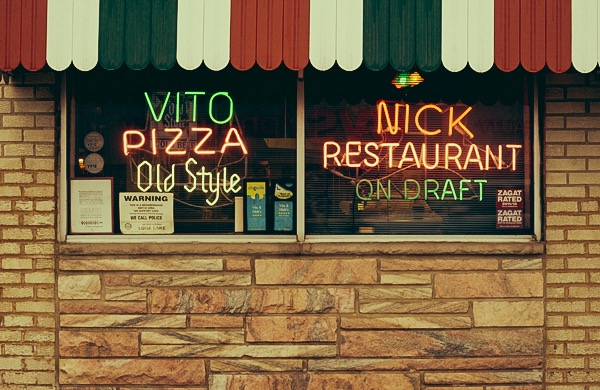
Vito Barraco, a tavern owner since the 1920s, is often credited with popularizing this style. His tavern, Vito and Nick’s, served pizzas based on Mary Barraco’s recipe. The pizzas featured a simple, yet flavorful combination of cheese, sausage, and a crispy, cracker-like crust. This approach contrasted with the heavier, deep-dish pizzas becoming popular at the time. Over the years, tavern style pizza became a defining element of Chicago food culture and remains a staple in the city’s culinary landscape.
Early Influences on Pizza Culture
The origins of Chicago’s pizza culture are deeply intertwined with the waves of Italian immigrants who arrived in the city in the late 19th and early 20th centuries. These newcomers brought with them culinary traditions from their homeland, including the art of crafting pizza. Initially, pizza in Chicago was more akin to the Neapolitan style, with a focus on simple ingredients like tomatoes, cheese, and herbs on a thin crust.
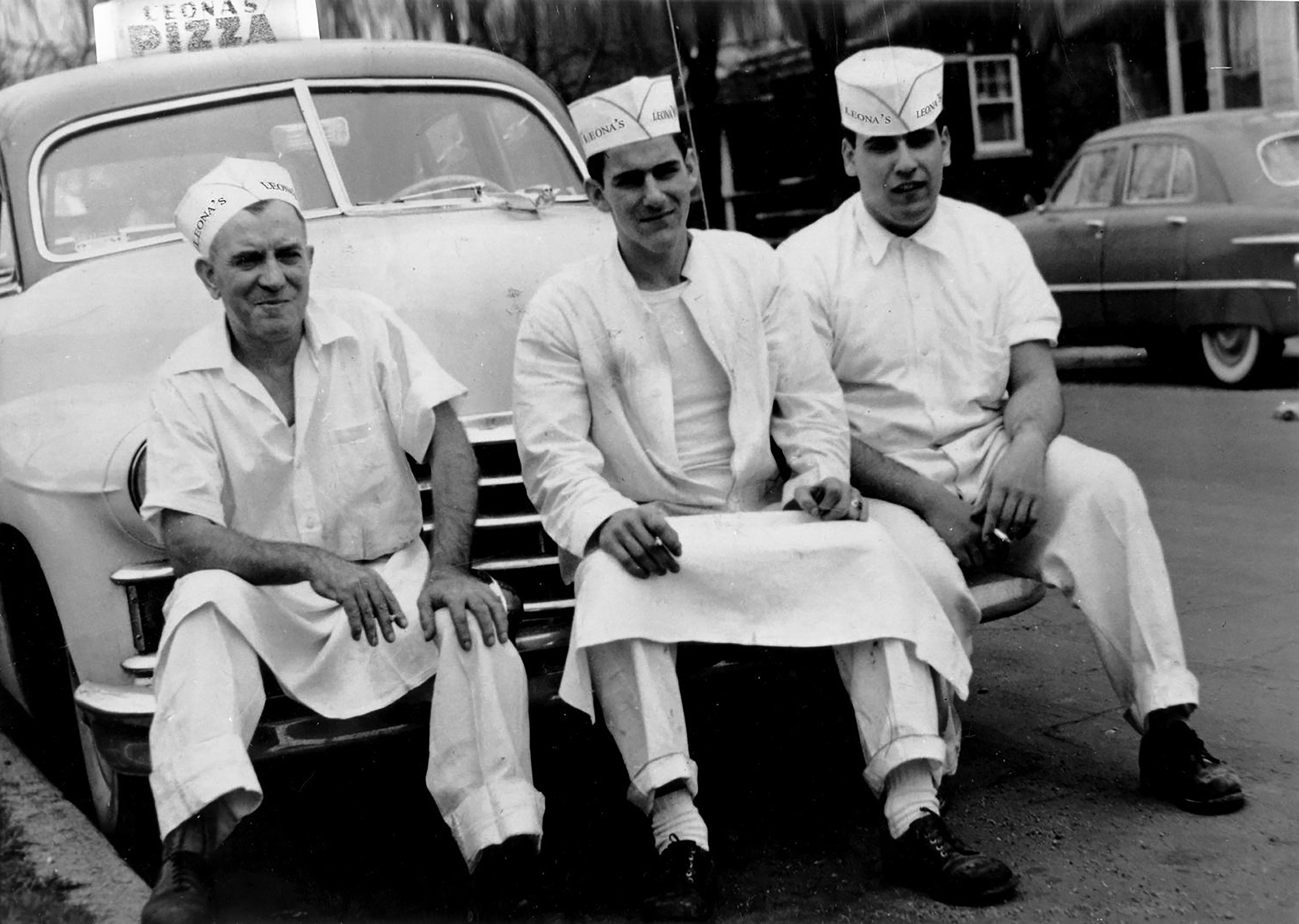
As pizza gained popularity among Chicago’s diverse communities, local adaptations began to emerge. Granato’s on Taylor Street, considered one of the city’s first pizzerias, played a pivotal role in this evolution. During the middle part of the century, many more pizzeria’s opened up throughout the city, including Pat’s Pizza and Leona’s Pizza in Chicago’s Lakeview neighborhood, (actually Pat Pianetto and Leona Pianetto are brother and sister). Marie’s Pizza & Liquors in the Mayfair neighborhood.
This melding of traditions laid the groundwork for the development of both deep-dish and tavern style pizzas, reflecting the city’s propensity to blend and innovate. Chicago pizza became a cultural emblem, representing the city’s vibrant immigrant heritage.
Chicago Food Culture Evolution
Chicago’s food culture is a dynamic tapestry that has evolved alongside the city’s growth. In the mid-20th century, Chicago’s culinary scene began to reflect its status as a melting pot of cultures. Immigrants from Europe, particularly Italy, brought with them rich culinary traditions that began to mingle with local tastes and influences.
Tavern style pizza emerged as a testament to this cultural blend, offering a thin, crispy crust and toppings that catered to local palates. Over time, Chicago’s food scene expanded beyond its European roots, embracing flavors from around the world and innovating traditional dishes with a local twist. This evolution is evident in the diverse array of pizzerias and eateries that dot the city today, each offering their unique take on classic dishes.
As Chicago’s neighborhoods grew and changed, so too did its food landscape, continually adapting to the tastes and preferences of its residents while celebrating its rich, multicultural heritage.
Defining Characteristics of Tavern Pizza
Unique Ingredients and Preparation
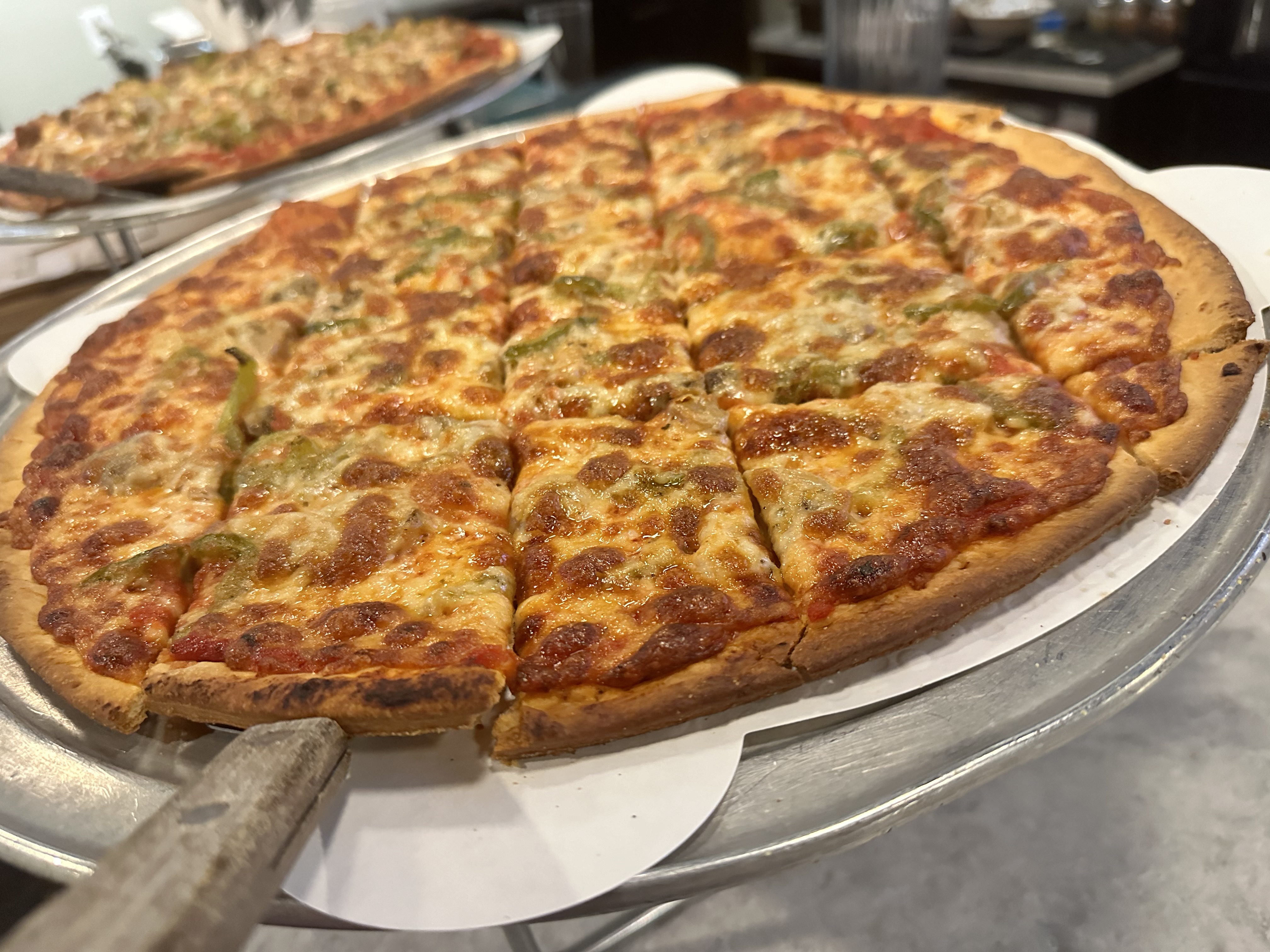
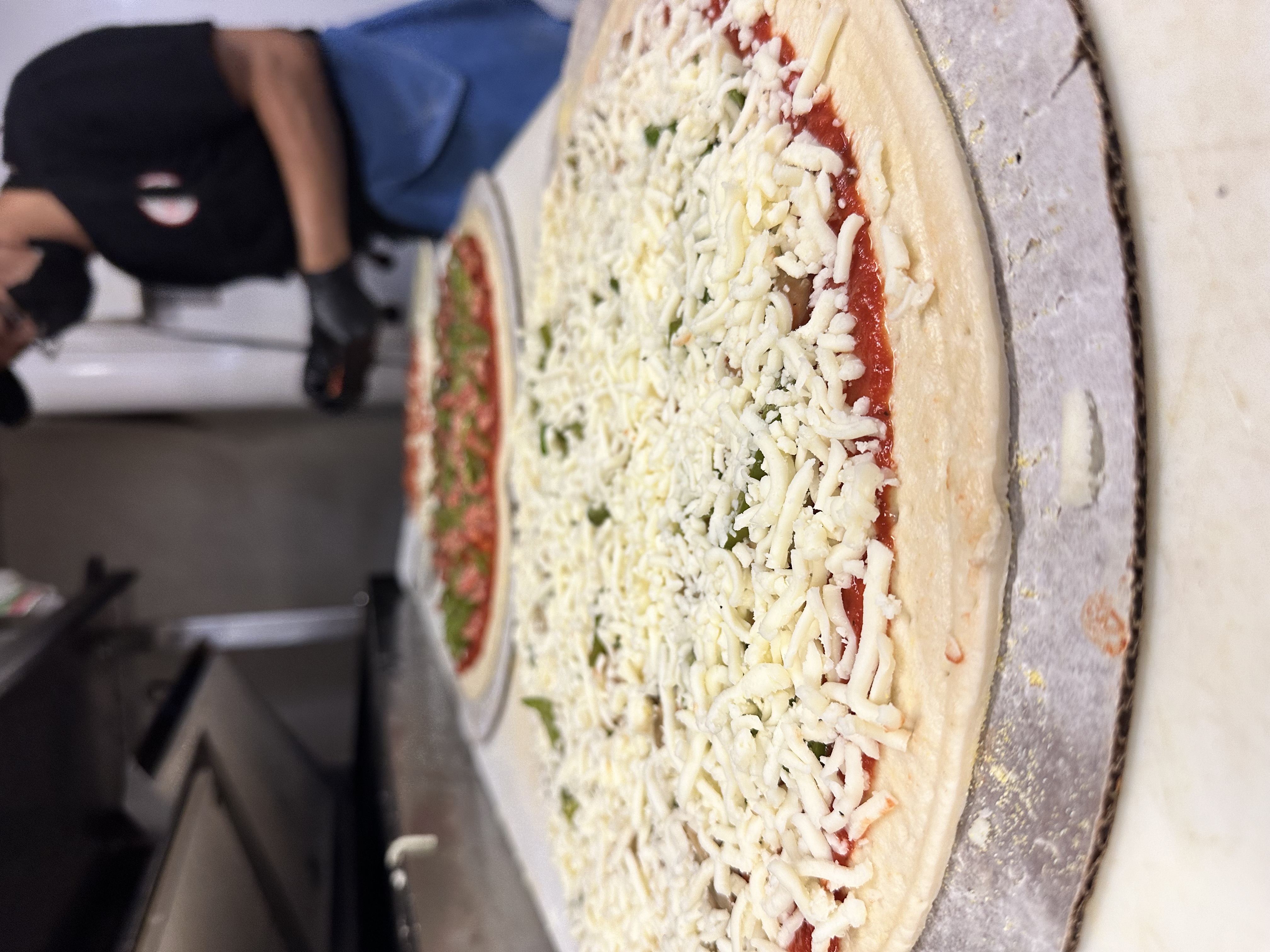
Chicago tavern style pizza is distinct not only for its shape but also for its unique ingredients and preparation techniques. The crust is a defining feature—thin, crisp, and almost cracker-like, providing a sturdy base for the toppings. This texture is achieved by rolling the dough thin and baking it at a high temperature, often in a deck oven.
The sauce is typically simple, made from crushed tomatoes, seasoned lightly to allow the natural flavors to shine. Cheese, often mozzarella, is applied generously and melts into a creamy layer over the sauce. Toppings are usually kept minimal to prevent overwhelming the delicate crust. Sausage is a popular choice, crafted from local suppliers to maintain a traditional taste.
The square-cut, or “party cut,” presentation is practical, allowing diners to enjoy manageable portions. This method reflects the pizza’s origins as a tavern snack, meant to be shared among friends and families in a convivial setting.
Tavern Style vs. Deep Dish
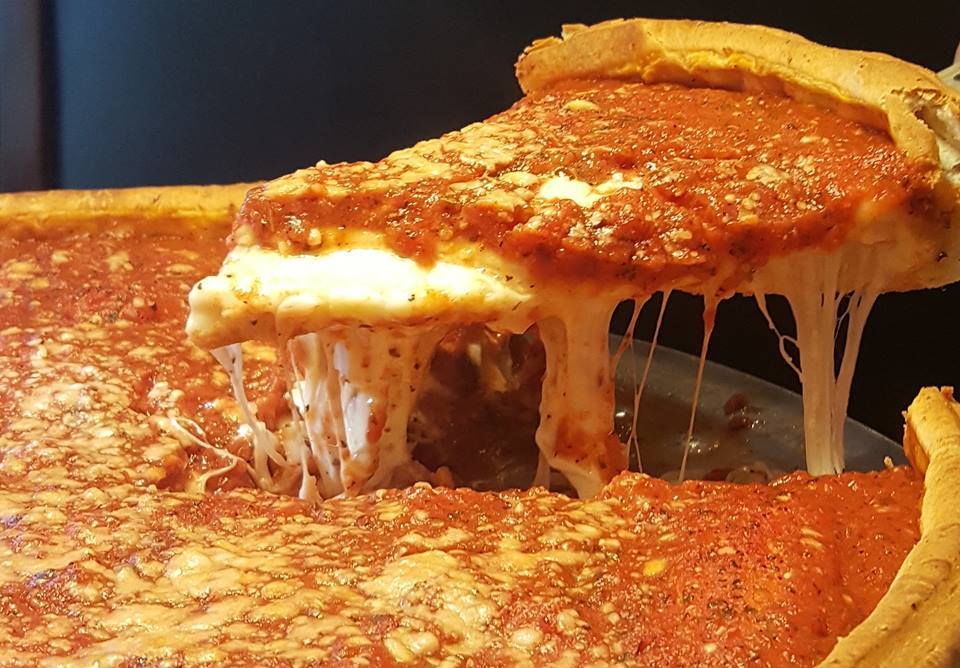
Tavern style and deep dish pizzas are two iconic representations of Chicago’s diverse pizza landscape. While deep dish pizza is renowned for its towering layers of cheese, sauce, and toppings, baked in a high-sided pan, tavern style takes a more minimalist approach.
Tavern style pizza features a thin, crisp crust, allowing the flavors of the sauce and toppings to take center stage. The square-cut slices are designed for easy sharing, embodying a community spirit. This style is less about indulgence and more about accessibility and sociability, making it a favorite in local taverns and parties.
In contrast, deep dish pizza is a hearty meal in itself, with a thick crust that serves as a vessel for an abundance of ingredients. It’s a sit-down, leisurely dining experience, often requiring a fork and knife. These two styles represent the versatility of Chicago pizza, catering to different tastes and dining occasions.
Best Tavern Pizza Spots in Chicago
Chicago is home to some legendary tavern pizza spots that have been serving locals and visitors alike for decades. Vito and Nick’s is a quintessential choice, known for its authentic thin-crust pizza and a family recipe that has stood the test of time. Located on the South Side, it offers a nostalgic ambiance that complements its classic pies.
Another iconic venue is Leona’s Pizzeria where patrons can enjoy a slice of history along with their pizza. Established in 1950, Leona’s is celebrated for its nostalgic memories and commitment to quality ingredients. Leona’s has several locations throughout Chicagoland.
Home Run Inn, with several locations across the city, started as a neighborhood tavern before growing into a beloved pizza institution. Known for its perfectly balanced toppings and crispy crust, it has become a staple for many Chicagoans.
There are many others within the neighborhoods of the city and suburbs. Each of these spots offers a unique slice of Chicago’s rich pizza history, making them must-visit destinations for any pizza enthusiast.

Recipes and Traditions
Classic Tavern Style Pizza Recipes
Creating a classic tavern style pizza at home can be a rewarding endeavor, allowing you to experience the flavors of Chicago’s culinary heritage. Start with a simple dough recipe, focusing on achieving a thin, crispy crust. This is typically done by rolling the dough out as thin as possible and baking it at a high temperature for a short amount of time.
For the sauce, opt for crushed tomatoes seasoned lightly with salt, pepper, and a touch of oregano. The key is to keep it simple, allowing the freshness of the tomatoes to shine through. Mozzarella cheese is a staple topping, offering a creamy contrast to the tangy sauce.
Popular toppings include Italian sausage, which brings a savory depth, or pepperoni for a classic touch. Remember, the beauty of tavern style pizza lies in its simplicity and balance, making it a versatile canvas for your favorite flavors.
Keeping Tradition Alive in Kitchens
Preserving the tradition of Chicago tavern style pizza goes beyond just following recipes; it involves celebrating the cultural legacy and communal spirit it embodies. Many families in Chicago continue to pass down their secret techniques and recipes, ensuring that the essence of this local favorite remains unchanged.
In home kitchens, this means using tried-and-true methods for dough preparation and selecting quality ingredients from local vendors, much like the original pizzerias. Family gatherings often revolve around making and enjoying tavern style pizza, fostering a sense of connection and nostalgia.
Moreover, community events and local festivals frequently spotlight tavern style pizza, enabling new generations to experience its unique flavors. This ongoing appreciation in homes and communities across Chicago helps to preserve the pizza’s vibrant history while allowing room for personal touches and innovations.
By keeping these traditions alive, Chicagoans ensure that tavern style pizza remains a cherished part of their culinary landscape for years to come.

Modern Takes on a Classic
While Chicago tavern style pizza is steeped in tradition, modern chefs and home cooks alike are finding creative ways to reinterpret this classic dish. These contemporary adaptations often involve experimenting with toppings and crusts while maintaining the distinctive thin, square-cut format.
Artisanal pizzerias across Chicago are leading this culinary evolution, offering gourmet toppings such as truffle oil, arugula, and premium cheeses. These ingredients add a layer of sophistication to the humble pizza, appealing to a broader range of palates.
Additionally, some chefs are experimenting with gluten-free or alternative crusts to cater to dietary preferences, making tavern style pizza accessible to more people. Despite these innovations, the core elements—crispy crust, balanced toppings, and community-centric servings—remain intact.
These modern takes not only showcase the versatility of tavern style pizza but also ensure its relevance in today’s diverse food scene, demonstrating that tradition and innovation can coexist harmoniously. In fact Chicago tavern style pizza has recently gone national. Several of the largest brands have created their own versions of the classic. Pizza Hut launched an entire menu segment. Frozen pizza giant Tombstone also unveiled a frozen “Tavern style” pizza.

Leave a Reply